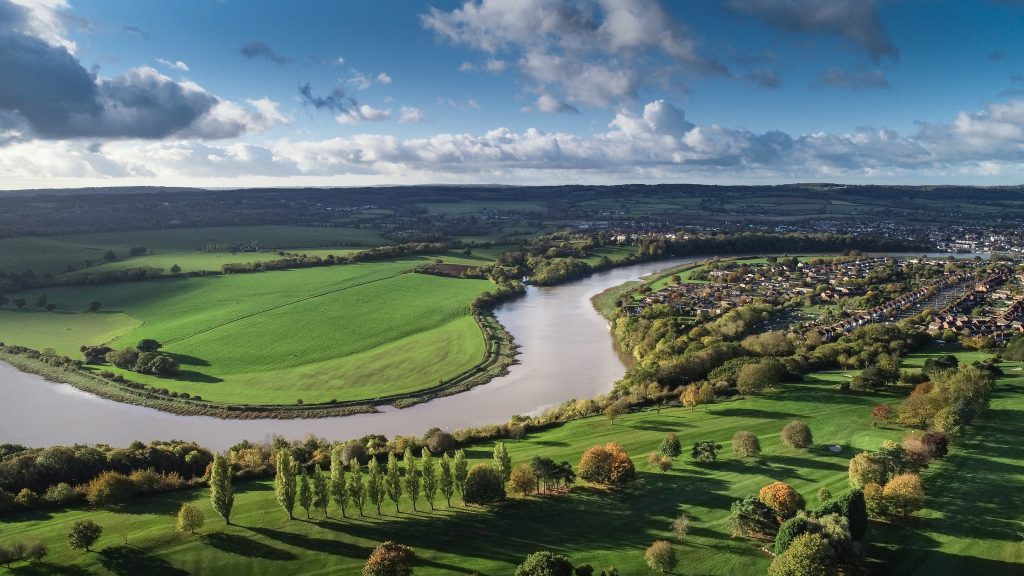
The Severn Wye and Warwickshire Avon catchments are nationally important landscapes, shaped by rivers and offering untapped potential for people, nature and the economy.
But they are landscapes in peril, made worse by our rapidly changing climate and leading to loss for people and nature.
An increasing number of stakeholders from many backgrounds now agree addressing these challenges is urgent. Collective, holistic vision and sustained long term approaches are needed to deliver a richer, more resilient landscape and unlock huge social, economic and environmental benefits for all.
Our vision for the Severn Basin in 2050
By 2050, the Severn Basin is a landscape where healthy nature and thriving communities depend on one another. Rivers, fields, towns and villages work together to support the wellbeing of everyone who lives, works and grows food here, today and for generations to come. Nature is no longer something set apart, but part of daily life: visible, valued, and cared for by the people who call this place home.
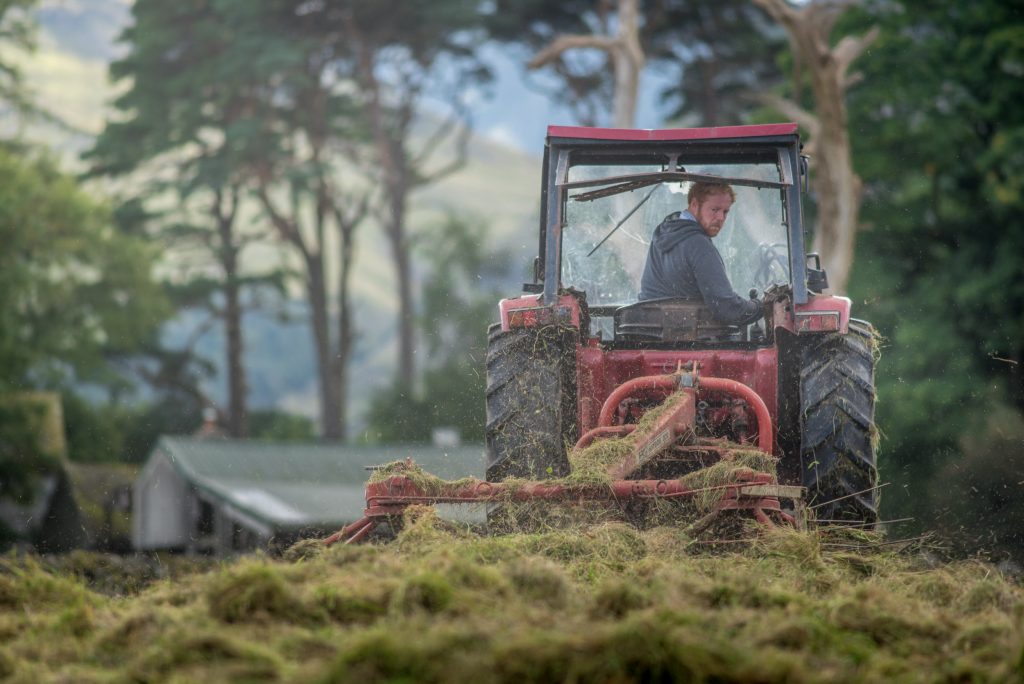
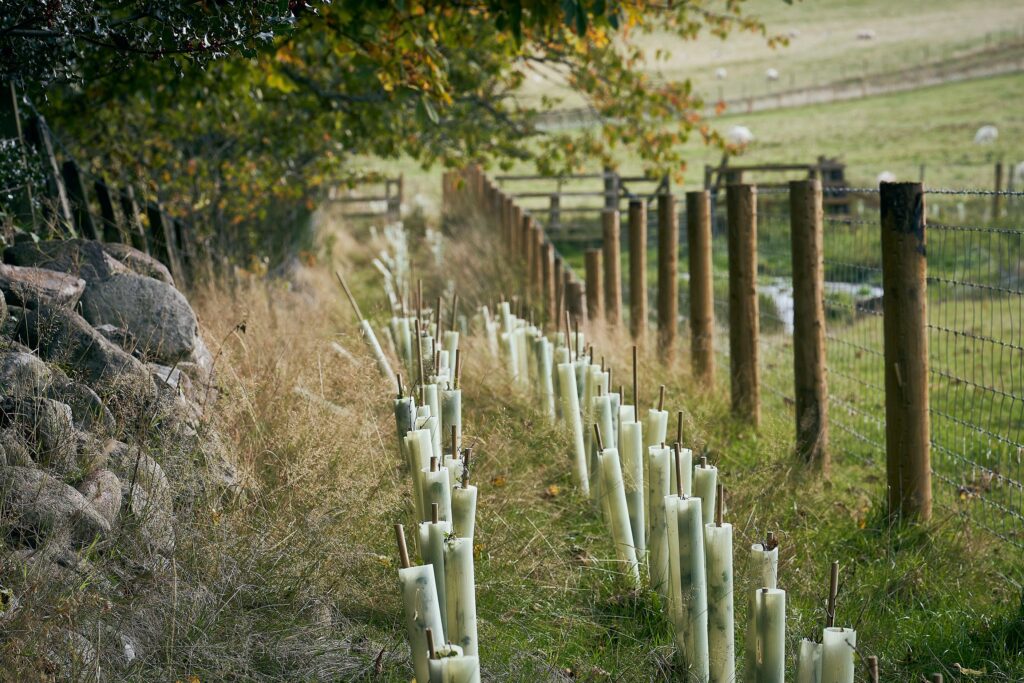
Land is managed in ways that produce good food while restoring soils, water and wildlife. Farms across the basin are resilient to a changing climate, growing a diversity of crops and livestock using practices that build soil health, store carbon and reduce flood risk. Hedgerows, flower-rich margins and restored wetlands sit alongside productive farmland, supporting pollinators and natural pest control while keeping food production viable and profitable. Farmers and land managers are fairly rewarded, not only for food, but for the clean water, wildlife habitats, flood protection and climate benefits their stewardship provides by creating stable livelihoods and pride in working the land.
New and innovative funding mechanisms underpin this transformation, attracting long-term investment into nature-friendly farming, river restoration and local food systems. These flows of funding strengthen rural economies, support new skills and jobs, and help young people see a future for themselves in the basin. Towns and villages benefit too, with stronger links between local producers and local markets, healthier diets, and landscapes that invite people to spend time outdoors.
Nature-based solutions are widely adopted across the basin, restoring the natural movement and storage of water from the uplands to the estuary. Reconnected floodplains, wet woodlands and restored peat and grasslands slow and store water, reducing flood risk to homes, businesses and infrastructure. Rivers run clearer, with cleaner water supporting recreation, fisheries and wildlife, and providing reliable supplies for people, agriculture and industry even in drier years.
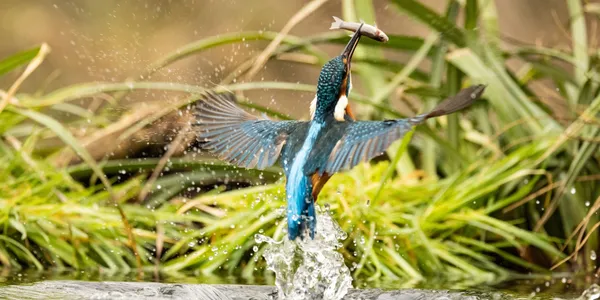
Nature is thriving once again. In 2050, the Severn Basin is alive with species that had been lost or pushed to the margins. Salmon, sea trout and lamprey move more freely through restored river systems. Otters and water voles are common sights along re-naturalised banks, while kingfishers, sand martins and curlews are part of the soundscape. Wetlands and floodplains support dragonflies, snipe and breeding waders, while healthier soils and flower-rich landscapes bring back bumblebees, butterflies and farmland birds. Woodlands and hedgerows form connected networks, allowing species to move and adapt as the climate changes.
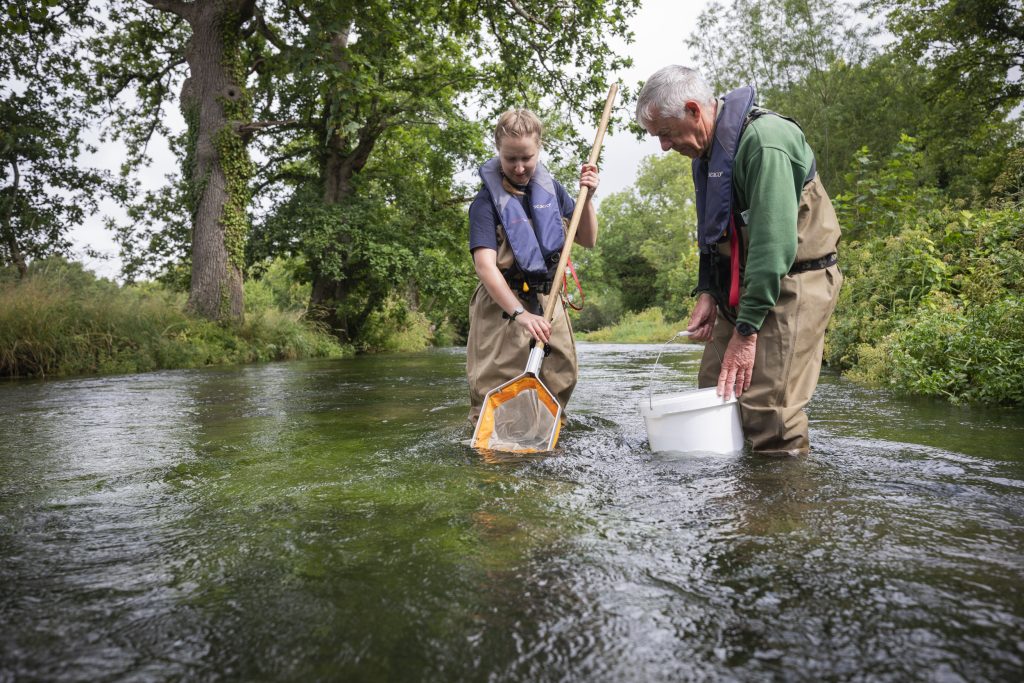
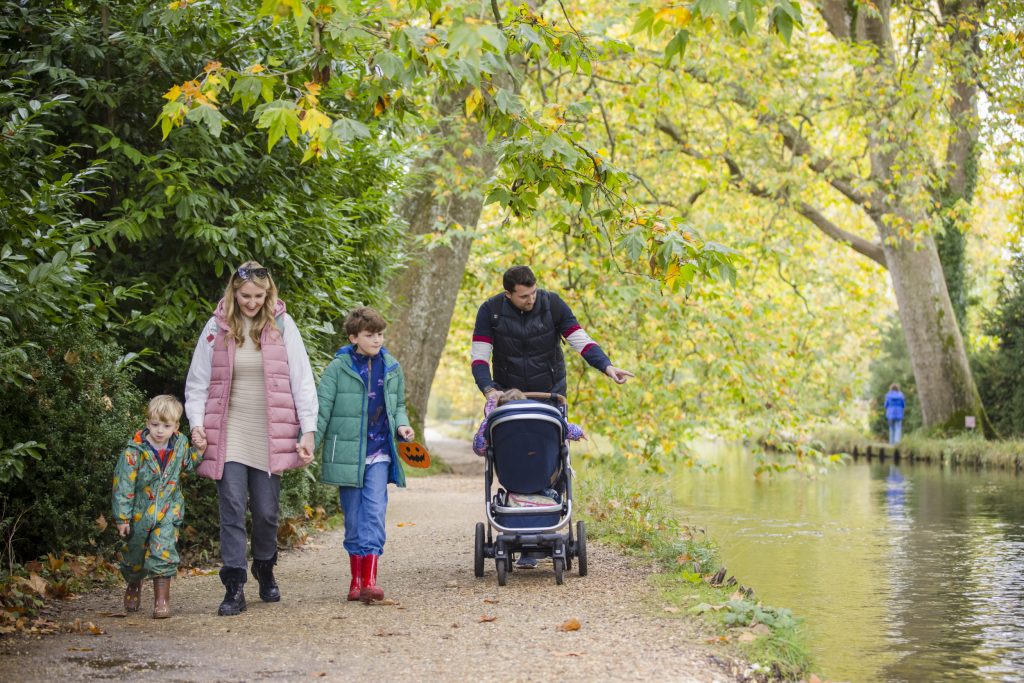
Above all, this is a basin shaped by collective care. Communities are actively involved in looking after rivers, farms and green spaces, with access to nature recognised as essential to health, wellbeing and identity. The Severn Basin in 2050 is a place where people feel rooted, nature is recovering, and the landscape works hard: for food, for wildlife, and for everyone who depends on it.